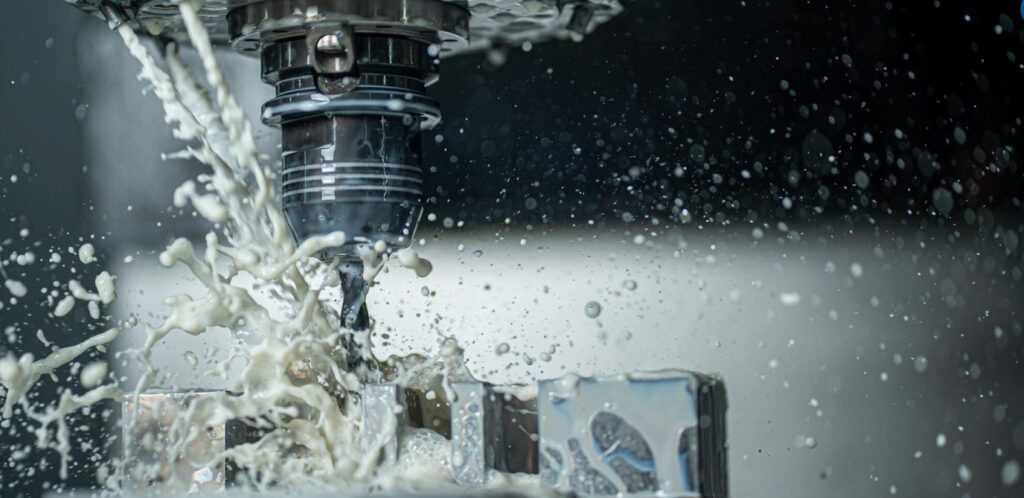
High Pressure Coolant Systems for Demanding Machining Applications
FSE manufacture a range of high pressure coolant systems engineered to support all types of machine tools and improve machining performance.
Designed for reliability and integration and ease of integration, our systems deliver controlled high coolant pressure directly to the cutting zone — improving chip evacuation, tool life and overall machining efficiency.
Available as free-standing or drop-in solutions, FSE high pressure coolant systems can be configured to suit both new installations and retrofit applications.
What is a high pressure coolant system?
A high pressure coolant system is a dedicated pumping unit designed to deliver coolant at elevated pressures (typically 20-70Bar) directly to the cutting tool of the machine tool.
Unlike standard low-pressure flood systems, a high pressure coolant pump generates significantly greater force, enabling coolant to penetrate between the cutting tool and the workpiece. This improves cooling, lubrication, and chip breaking — particularly in deep hole drilling, CNC turning and machining of difficult materials.
FSE systems can be supplied as:
- Fixed pressure systems
- Variable pressure systems
Our variable systems typically offer up to seven selectable pressure stages via M-function control (commonly 15, 20, 30, 40, 50, 60 and 70 bar), allowing operators to match coolant pressure precisely to the machining operation.
How high pressure coolant systems work
FSE high pressure coolant systems operate as integrated standalone units connected to your machine tool.
The system process includes:
- Coolant return and containment
- Multi-stage filtration to protect the pump and tooling
- High pressure coolant pump pressurisation
- Precision delivery via nozzles or through-tool coolant channels
Our systems can be manufactured to bespoke specifications and may include:
- Temperature control systems
- Flow monitoring
- Pressure sensors
- M-function integration with CNC controls
This ensures coolant is delivered at the correct pressure and flow rate for each machining cycle.
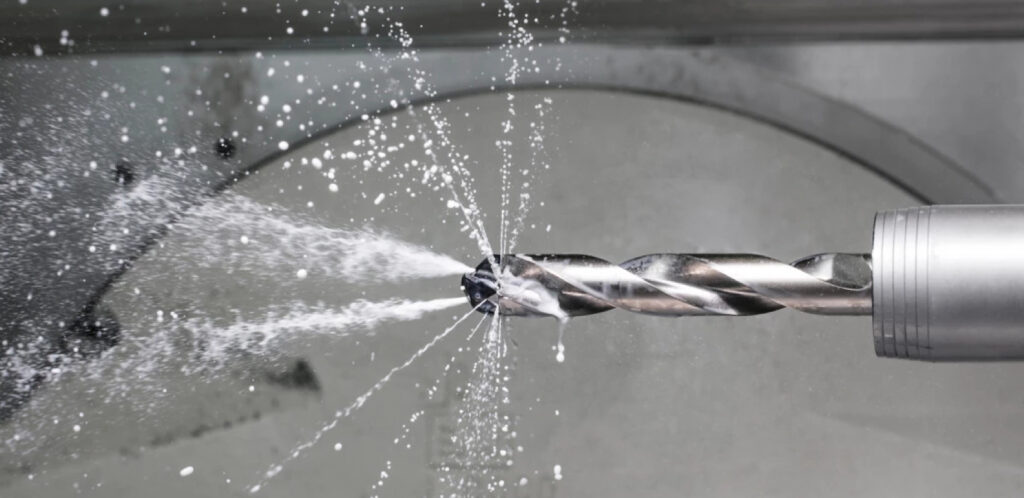
Benefits of high pressure coolant systems
Integrating a high pressure coolant system delivers measurable production benefits:
1. Improved chip control
High coolant pressure assists with chip breaking at the source, preventing bird nesting and re-cutting — critical in automated machining environments.
2. Increased tool life
Delivering coolant directly to the cutting edge reduces thermal load and friction, extending tool life and reducing tooling costs.
3. Greater process stability
Consistent coolant pressure improves repeatability, particularly in high-value component manufacturing.
4. Higher feeds & speeds
Optimised chip evacuation enables higher feeds and speeds, reducing cycle times.
How high pressure coolant systems work
FSE high pressure coolant systems operate as integrated standalone units connected to your machine tool.
The system process includes:
- Multi-stage filtration to protect the pump and tooling
- High pressure coolant pump
- Precision delivery via nozzles or through-tool coolant channels
Our systems can be manufactured to bespoke specifications and may include:
- Temperature control systems
- Flow monitoring
- Pressure sensors
- M-function integration with CNC controls
This ensures coolant is delivered at the correct pressure and flow rate for each machining cycle.
High pressure coolant systems supplied, installed and supported by FSE
FSE design and manufacture high pressure coolant systems in-house, ensuring quality control and seamless integration with your machine tool.
In addition to traditional free-standing systems, the introduction of the NOP filter pump allows FSE to offer a cost-effective “drop-in” high pressure coolant solution — ideal for retrofit applications where space, cost or installation time are critical factors.
Our complete service includes:
- Application assessment
- Bespoke system design
- Installation and commissioning
- Integration with machine, chip conveyors and filtration systems
- Ongoing service and support
Whether you require a fully customised high pressure coolant system or a compact high pressure coolant pump upgrade, FSE deliver robust, production-ready solutions designed for long-term industrial performance.
Speak to our sales team today about oil mist extraction solutions to suit your business.
Contact us via email at sales@fse.co.uk or call us on 01562 60233
High Pressure Coolant solutions from FSE
Whether you are replacing an existing system or upgrading your existing high pressure coolant solutions FSE can help.
To speak to the FSE team today about high pressure coolant solutions to suit your business, contact us at sales@fse.co.uk or 01562 60233 or by using our online enquiry form.
Frequently asked questions about high pressure coolant systems
FSE can supply a high pressure solution for the large majority of machine tools, alongside this its also important to check your machines pressure rating with the machine tool dealer.
High pressure coolant improves machining by delivering coolant precisely to the tool–workpiece interface. By increasing cooling efficiency and chip evacuation, a high pressure coolant system:
- Reduces cutting temperatures
- Minimises thermal distortion
- Improves chip breaking
- Enables higher cutting speeds and feed rates
- Enhances surface finish
FSE systems are designed to optimise machining performance while maintaining consistent, controllable coolant delivery across different operations.
High pressure coolant systems are particularly beneficial when machining difficult or heat-resistant materials, including:
- Titanium
- Inconel and superalloys
- Stainless steels
- High-strength alloys
These materials generate significant heat and produce problematic chips. High coolant pressure improves chip control and reduces tool wear. Softer materials such as aluminium can also benefit, as improved chip evacuation allows for increased cutting speeds and improved productivity.
FSE can assess your materials and application requirements to specify the correct high pressure coolant pump configuration for optimal results.
Most modern CNC machines can be integrated with a high pressure coolant system. However, older machines may require modifications or additional components.
FSE provide full consultation, specification and installation support to ensure compatibility with your existing equipment. We assess:
- Through-tool capability
- Spindle design
- Existing filtration systems
- Electrical integration
Our drop-in and bespoke systems are designed to minimise disruption during retrofit installations.
A typical FSE high pressure coolant system includes:
- Coolant reservoir
- Multi-stage filtration
- High pressure coolant pump
- Delivery pipework and nozzles or through-tool connections
- Pressure and flow monitoring
- Control interface (including M-function integration for variable systems)
Systems can also be supplied with temperature control, flow sensors and pressure sensors depending on customer requirements.
The correct pressure and flow rate depend on:
- Material type
- Tooling manufacturer recommendations
- Cutting depth and feed rate
- Through-tool or external delivery
As a general guideline:
- Heavy roughing operations require higher pressure and flow
- Finishing operations may require lower pressure
FSE variable systems offer multiple programmable pressure stages (commonly 20–70 bar) allowing operators to match high coolant pressure to each tool and cycle.
We provide application assessment to ensure the correct configuration is specified from the outset.
Pressure and flow are directly influenced by the size of the coolant outlet or tool orifice.
- Smaller orifice = Increased resistance → Higher pressure, lower flow
- Larger orifice = Reduced resistance → Lower pressure, higher flow
Correct matching of the high pressure coolant pump output to tooling design is critical. FSE work alongside tooling recommendations to ensure stable, optimised coolant delivery.
Required through-tool coolant pressure varies depending on the material and operation.
Typical ranges include:
- 20–40 bar for general turning and drilling
- 50–70 bar for improved chip control in tougher materials
Higher pressures for deep hole drilling or demanding alloys
FSE systems can be configured with fixed or variable pressure settings, allowing the operator to select the correct high coolant pressure for each machining operation.
Through-spindle coolant pressure recommendations depend on:
- Tool diameter
- Tool manufacturer specifications
- Depth of cut
- Material being machined
Higher pressures are generally recommended for deep hole drilling and machining difficult materials, where chip evacuation is critical.
FSE provide guidance during system specification to ensure your high pressure coolant system delivers the appropriate pressure safely and efficiently.
A properly configured high pressure coolant system can significantly extend tool life.
By reducing heat concentration at the cutting edge and improving chip removal, high coolant pressure minimises premature wear, edge breakdown and thermal cracking — particularly when machining difficult alloys.
Customers typically see reduced tooling costs and improved process reliability after implementation.
Routine maintenance is essential to ensure long-term performance.
Typical maintenance includes:
- Inspecting and replacing filters
- Checking coolant condition and levels
- Inspecting hoses and seals
- Monitoring pressure and flow performance
- Servicing the high pressure coolant pump
FSE provide ongoing service and maintenance support to keep systems operating at peak performance.
High pressure coolant systems are particularly beneficial when machining difficult or heat-resistant materials, including:
- Titanium
- Inconel and superalloys
- Stainless steels
- High-strength alloys
These materials generate significant heat and produce problematic chips. High coolant pressure improves chip control and reduces tool wear. Softer materials such as aluminium can also benefit, as improved chip evacuation allows for increased cutting speeds and improved productivity.
FSE can assess your materials and application requirements to specify the correct high pressure coolant pump configuration for optimal results.
Most modern CNC machines can be integrated with a high pressure coolant system. However, older machines may require modifications or additional components.
FSE provide full consultation, specification and installation support to ensure compatibility with your existing equipment. We assess:
- Through-tool capability
- Spindle design
- Existing filtration systems
- Electrical integration
Our drop-in and bespoke systems are designed to minimise disruption during retrofit installations.
A typical FSE high pressure coolant system includes:
- Coolant reservoir
- Multi-stage filtration
- High pressure coolant pump
- Delivery pipework and nozzles or through-tool connections
- Pressure and flow monitoring
- Control interface (including M-function integration for variable systems)
Systems can also be supplied with temperature control, flow sensors and pressure sensors depending on customer requirements.
The correct pressure and flow rate depend on:
- Material type
- Tooling manufacturer recommendations
- Cutting depth and feed rate
- Through-tool or external delivery
As a general guideline:
- Heavy roughing operations require higher pressure and flow
- Finishing operations may require lower pressure
FSE variable systems offer multiple programmable pressure stages (commonly 20–70 bar) allowing operators to match high coolant pressure to each tool and cycle.
We provide application assessment to ensure the correct configuration is specified from the outset.
Pressure and flow are directly influenced by the size of the coolant outlet or tool orifice.
- Smaller orifice = Increased resistance → Higher pressure, lower flow
- Larger orifice = Reduced resistance → Lower pressure, higher flow
Correct matching of the high pressure coolant pump output to tooling design is critical. FSE work alongside tooling recommendations to ensure stable, optimised coolant delivery.
Required through-tool coolant pressure varies depending on the material and operation.
Typical ranges include:
- 20–40 bar for general turning and drilling
- 50–70 bar for improved chip control in tougher materials
Higher pressures for deep hole drilling or demanding alloys
FSE systems can be configured with fixed or variable pressure settings, allowing the operator to select the correct high coolant pressure for each machining operation.
Through-spindle coolant pressure recommendations depend on:
- Tool diameter
- Tool manufacturer specifications
- Depth of cut
- Material being machined
Higher pressures are generally recommended for deep hole drilling and machining difficult materials, where chip evacuation is critical.
FSE provide guidance during system specification to ensure your high pressure coolant system delivers the appropriate pressure safely and efficiently.
A properly configured high pressure coolant system can significantly extend tool life.
By reducing heat concentration at the cutting edge and improving chip removal, high coolant pressure minimises premature wear, edge breakdown and thermal cracking — particularly when machining difficult alloys.
Customers typically see reduced tooling costs and improved process reliability after implementation.
Routine maintenance is essential to ensure long-term performance.
Typical maintenance includes:
- Inspecting and replacing filters
- Checking coolant condition and levels
- Inspecting hoses and seals
- Monitoring pressure and flow performance
- Servicing the high pressure coolant pump
FSE provide ongoing service and maintenance support to keep systems operating at peak performance.
Through-spindle coolant pressure recommendations depend on:
- Tool diameter
- Tool manufacturer specifications
- Depth of cut
- Material being machined
Higher pressures are generally recommended for deep hole drilling and machining difficult materials, where chip evacuation is critical.
FSE provide guidance during system specification to ensure your high pressure coolant system delivers the appropriate pressure safely and efficiently.
A properly configured high pressure coolant system can significantly extend tool life.
By reducing heat concentration at the cutting edge and improving chip removal, high coolant pressure minimises premature wear, edge breakdown and thermal cracking — particularly when machining difficult alloys.
Customers typically see reduced tooling costs and improved process reliability after implementation.
Routine maintenance is essential to ensure long-term performance.
Typical maintenance includes:
- Inspecting and replacing filters
- Checking coolant condition and levels
- Inspecting hoses and seals
- Monitoring pressure and flow performance
- Servicing the high pressure coolant pump
FSE provide ongoing service and maintenance support to keep systems operating at peak performance.